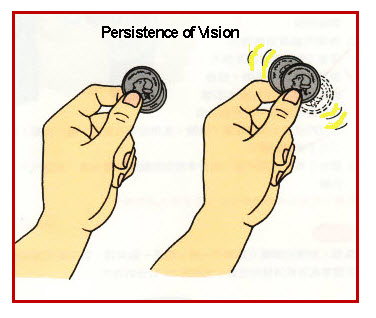
Stop Frame is a technique in which you physically manipulate an object tro create the illusion of motion. To creathe this your chosen object is required to be moved little by little and taking individually photographed frames, this will produce the illusion of motion when you have played the frames in a continuous series, which can be done through the use of computer technology by putting the series of frames into Stop Motion software or even into Adobe Premiere. Movable jointed clay figures are often used in stop motion due to their greate ease of movement. Although they are useful it is not always necessary to use figures and in turn many stop motion films can involve using humans which can create interesting outcomes. here is an example of a stop frame animation that uses this technique.